Pillar of the Common Good.
-

The Common Good
The Common Good is the social foundation through which TWM evaluates action, purpose, and responsibility. It establishes that what strengthens the many ultimately strengthens each individual, because the individual is inseparable from the community that sustains them. These principles define how dignity, rights, stability, and shared meaning become collective obligations rather than optional virtues. Commitment to the Common Good is the mechanism by which conscious beings persist, flourish, and advance together.
-

Emergent Socail Consciousness
Emergent social consciousness describes the collective layer of awareness that forms when individual minds become deeply interconnected through communication, technology, and shared experience. It is not a single mind, but a dynamic system whose behaviors exceed the sum of its parts. As this layer evolves, it shapes perception, morality, and social stability through shared norms, information flows, and collective pressures. Understanding and ethically guiding this emergent consciousness is essential for the long‑term flourishing of advanced civilizations.
-

Population Level Behavior
Population‑level behavior describes how large groups act in patterned, predictable ways shaped by shared conditions rather than isolated individual choices. Meaning, resources, institutions, and collective narratives interact to produce cooperation, conflict, stability, or fragmentation. These dynamics shift under stress, scarcity, inequality, and rapid change, creating feedback loops that influence both models and outcomes. Understanding these patterns serves the Common Good by enabling insight without manipulation, and by strengthening both individuals and the societies they inhabit.
-

Complex Social Interactions
Complex social interactions describe how reasonable individual choices can aggregate into outcomes no one intended. When many people act according to their own needs, incentives, and perceptions, their actions interact within larger systems that amplify both beneficial and harmful effects. As societies become more interconnected, these emergent outcomes accelerate, increasing the stakes of individual behavior. Understanding how personal actions scale into collective consequences is essential for ethical coherence, social stability, and the Common Good.
-

Group Dynamics
Group dynamics describe how individual motivations, perceptions, and limitations interact to shape the behavior of social groups. People naturally prioritize their own interests and those of their close associates, often without full awareness of the broader consequences. Effective groups depend on shared motivations, empathy, and mechanisms that protect stability while addressing harmful behaviors with understanding and restraint. By recognizing how individual and collective forces interact, groups can strengthen cohesion, fairness, and the Common Good.
-

Social Morality
Social morality describes the shared moral framework that naturally forms within any group. It emerges from a community’s virtues, histories, narratives, and accumulated knowledge, shaping how individuals understand right action and how groups reinforce expectations. These shared norms influence personal morality while also being reshaped by individual choices and intergroup encounters. Understanding how social moralities form, interact, and persist strengthens cooperation and reduces unnecessary conflict.
-

Social Bias
Social bias emerges when individual biases accumulate and reinforce one another through shared language, culture, and historical experience. These patterns form self‑sustaining feedback loops that shape perception, opportunity, and collective behavior across generations and institutions. As societies become more interconnected, the speed and impact of these biases intensify, amplifying both their constructive and destructive potential. Understanding and mitigating harmful social bias is essential for fairness, stability, and the ethical trajectory of advanced civilizations.
-

Adaptation of Social Morality
The adaptation of social morality describes how moral frameworks evolve as societies gain new knowledge, technologies, and responsibilities. As collective understanding expands, new forms of harm and opportunity emerge, requiring moral systems to grow in scope and sophistication. This evolution is guided by the wisdom of the past, which provides grounding as societies integrate new insights. Adaptive moral development strengthens the Common Good by reducing unnecessary suffering and supporting long‑term advancement.
-

Mutually Exclusive Existence
Mutually exclusive existence describes how individuals pursue their own goals within shared environments where resources, needs, and drives inevitably create competition. This competition can be constructive or destructive depending on intent, context, and its impact on others. Because individual well‑being is inseparable from the health of the society that sustains it, social systems must balance cooperation and competition to minimize unnecessary harm. Recognizing this interdependence is essential for ethical decision‑making and for aligning individual flourishing with the Common Good.
-

Conflict and Divergence
Conflict and divergence describe the natural limits of shared understanding within any community. Differences in interpretation, experience, and conviction create tension that reveals where relationships strain more than doctrines themselves. Yet divergence does not erase shared origins, nor does conflict sever the independence of truth from factional alignment. Reconciliation remains possible wherever sincerity is recognized and correction is not resisted.
-

Promises, Vows, Oaths
Promises, vows, and oaths form the structural backbone of trust within human relationships and institutions. They create predictable expectations that allow cooperation, stability, and moral accountability to flourish. While promises govern ordinary commitments, vows and oaths carry increasing levels of solemnity, consequence, and sacred weight. For Those Who Muse, the oath stands as the highest form of commitment—invoked before God and reserved only for those capable of fulfilling it without fail.
-

Forgiveness and Redemption
Forgiveness and redemption recognize that error is an unavoidable part of conscious existence, yet not its defining limit. When individuals understand the harm they have caused and take meaningful steps toward repair, communities can transform wrongdoing into growth and restored integrity. TWM affirms forgiveness where misunderstanding or circumstance—not willful harm—shaped the error, while acknowledging that some actions or individuals may not be redeemable at the present time. Even then, dignity and caution remain essential, and boundaries may be required to protect the Common Good.
-

Service
Service is the means by which individuals strengthen the Common Good through voluntary contribution and purposeful action. It is oriented toward those served, not those who serve, and reflects humility, merit, and commitment to communal flourishing. When service is freely given, it reinforces stability, worth, and persistence within the community. Honoring those who serve acknowledges the value they generate and affirms service as a foundational social good.
-

Cooperation
Cooperation describes how individuals combine their unique strengths to meet the demands of an increasingly complex society. No single person can sustain or advance a community alone; modern structures require knowledge, skills, and effort that exceed individual capacity. When contributions are uncoordinated, progress falters and essential functions weaken. Coordinated cooperation strengthens both the individual and the Common Good, enabling societies to persist and flourish.
-

Language
Language is the structured medium through which beings communicate information, intention, and meaning, enabling the coordination required for social and civilizational development. Its forms—spoken, written, symbolic, mathematical, or imagistic—shape how individuals and groups perceive the world and understand one another. Because every language carries inherent limits and biases, differences in vocabulary and structure create divergent interpretations and potential conflict. Recognizing these constraints clarifies how meaning is formed, transmitted, and sometimes misunderstood within and across communities.
-

History
History is the preservation of events, knowledge, and interpretation beyond their moment, forming the foundation through which societies understand both their origins and their trajectory. Every historical record reflects the perspectives and limitations of those who observed, stored, or transmitted it, making interpretation an unavoidable part of historical understanding. Because media can be altered, omitted, or reframed, history is vulnerable to manipulation by those seeking influence. Accurate preservation and examination of history with minimal bias are essential for stability, ethical development, and the Common Good.
-

Personal Freedom Vs the Collective Good
Personal freedom and the Collective Good exist in tension whenever individual desires conflict with the well‑being of others. Absolute personal freedom elevates one person’s wants above all others, creating competition that inevitably produces harm, instability, and unnecessary suffering. Because societies must protect their members from destructive or abhorrent behavior, any restriction of such behavior necessarily limits absolute freedom. These limits are not a rejection of freedom but an affirmation of the Collective Good, which includes and protects the individual.
-

Business
Business is a social system through which individuals and groups create, exchange, and distribute value, shaping the well‑being of communities and the stability of society. Because business activity affects employees, consumers, investors, and the environment, it carries moral weight and social consequence. TWM affirms that value creation is most resilient when it supports the Common Good rather than concentrating advantage at the expense of others. Sustainable business practices strengthen trust, resilience, and long‑term prosperity by aligning individual benefit with collective flourishing.
-

Material Living Standards
Material living standards define the basic conditions required for individuals to sustain a stable, dignified, and healthy life. When these essentials—housing, food, water, safety, security, and health care—are accessible to all, societies gain resilience and individuals gain the freedom to pursue meaning and purpose. Inequitable access, or the coexistence of extreme excess alongside preventable deprivation, undermines social stability and violates the Common Good. Sustainable societies ensure that personal freedom and property rights never infringe upon the basic material needs of others.
-

Government
Government emerges when individuals transfer portions of their personal power to a centralized structure capable of reducing suffering, instability, and harm. This aggregation of individual power forms the basis of governmental authority and enables coordinated action, resource management, and societal advancement. Yet governmental legitimacy persists only as long as it meets the needs and expectations of those who vested their power in it. When support is withdrawn, the governing structure destabilizes, producing disruption within the society that depends on its function.
-

Government Traits
Government functions best when its structure reflects the people who have vested power in it and when its actions strengthen the well‑being of the population it serves. Effective governance requires clear roles, defined laws, and mechanisms that prevent the over‑concentration of power, ensuring accountability and stability. Separating government from theology and business protects fairness, reduces coercion, and prevents private interests from distorting public policy. TWM evaluates governments by how well they balance representation, accountability, stability, and the Common Good while minimizing harm.
-

Faith in Government
Faith traditions shape the moral intuitions, values, and interpretive frameworks of individuals who participate in governance, whether or not this influence is formally acknowledged. Many foundational legal concepts—such as dignity, justice, and obligation—emerged from ethical systems rooted in religious and philosophical traditions, making transparency about these influences essential for accountability and honest deliberation. When engaged responsibly, Faith communities can strengthen social welfare, civic identity, and public legitimacy without imposing belief or infringing on civil liberties. TWM affirms that Faith perspectives can enrich governance when balanced with constitutional protections, interfaith dialogue, and safeguards for minority rights.
-

Law and Crime
Law emerges from the collective decision of individuals to invest portions of their personal power into a centralized authority capable of reducing suffering, instability, and harm. By codifying socially normative behavior and attaching consequences to harmful actions, laws sustain the Common Good and protect those who choose to uphold them. Because legal norms reflect cultural, societal, and Faith‑based values, what is defined as a crime varies across communities and eras. As societies evolve, their laws must adapt to remain effective, legitimate, and aligned with the Common Good.
-

Justice
Justice is the social process through which communities respond to wrongdoing by imposing consequences that deter harm, affirm shared values, and protect the Common Good. Punishment functions as a structured form of retribution, intended to be proportional, meaningful, and appropriate to the crime committed. While justice seeks to restore balance, no consequence can fully undo the permanent effects of harm. Recognizing this limitation clarifies why justice is necessary, yet inherently incomplete, within human society.
-
Policing
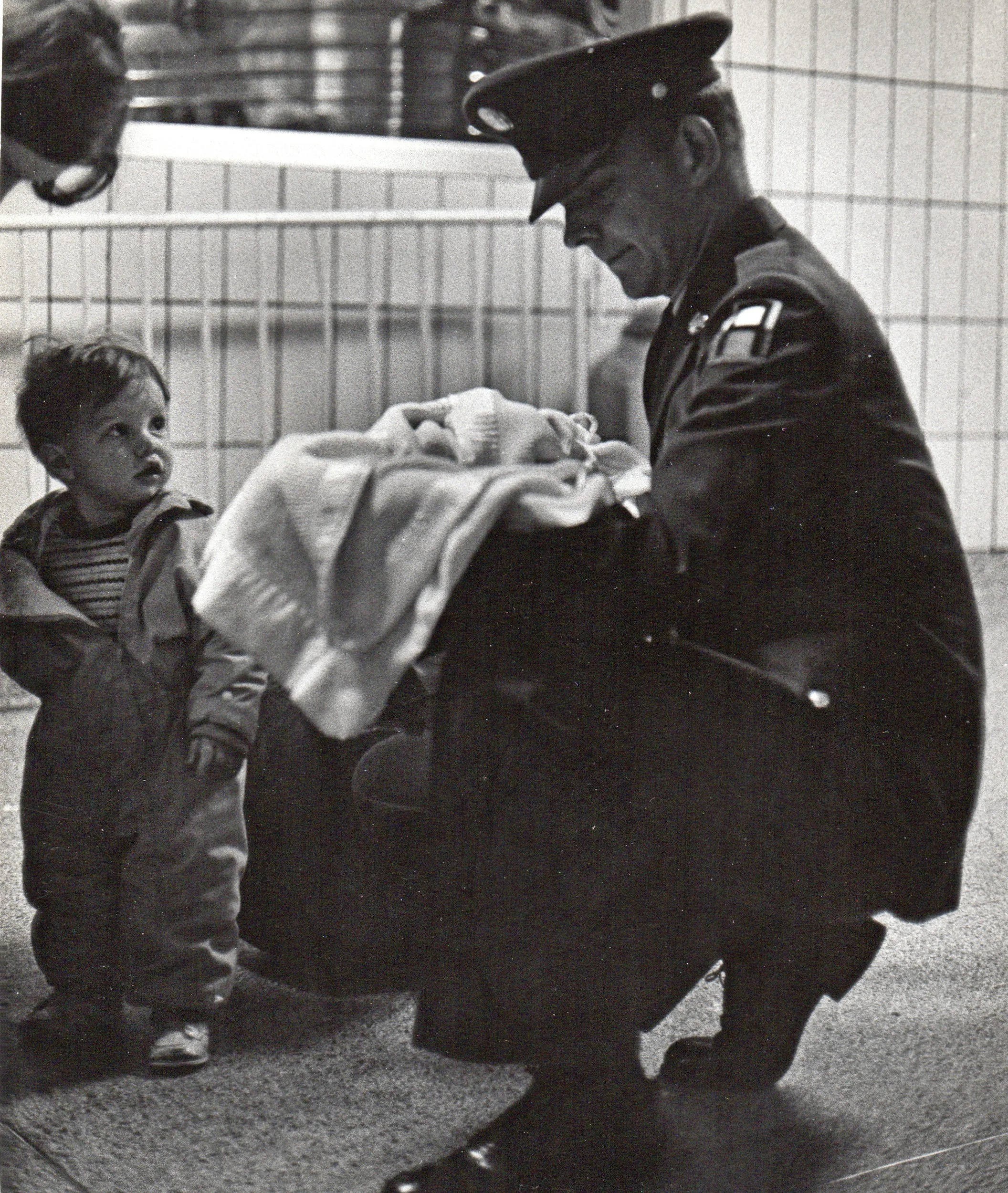
Policing is the formal structure through which a designated organization is empowered to enforce laws, protect the population, and uphold social stability. Because this authority derives from the people, policing can only function with the consent of those it serves and only persists when it provides clear benefit to the community. To maintain legitimacy, police organizations must themselves be governed by law and held to stricter legal and moral standards than the public they police. These elevated expectations ensure that the power entrusted to policing remains accountable, ethical, and aligned with the Common Good.
-

Leadership in Service
Leadership in service is defined not by authority but by responsibility, example, and the willingness to bear greater burdens than those appointed below. True leaders place the well‑being of their subordinates above their own, share in the risks and labor of the mission, and accept full accountability for both success and failure. Their authority is earned continuously through conduct that reflects humility, courage, and commitment to the Common Good. When necessary, leaders must prioritize mission accomplishment—even at personal cost—so long as the mission sustains and protects the community.
-

Non-Service Leadership
Non‑service leadership describes roles in which individuals guide teams, projects, or institutions without the heightened sacrificial obligations required of service‑bound leadership. These leaders still bear responsibility for those appointed below them and must uphold higher standards of conduct, judgment, and accountability. Their legitimacy rests on shared work, proportional responsibility, and the consistent demonstration of competence and integrity. Non‑service leadership is earned through example and persistence, sustaining the Common Good by supporting collective success without demanding the same level of personal risk inherent in service leadership.
-

Evil
Evil, within highly intelligent and conscious beings, is not an abstraction but a category of willful harm that must be recognized as real. It arises when individuals knowingly choose actions, intentions, or inactions that cause pain, suffering, hardship, horror, or death, even when they understand the consequences. Because evil often hides behind deceit, minimization, or reframing, societies must confront it with seriousness, clarity, and protective boundaries. Acknowledging the reality of evil strengthens the Common Good by ensuring that persistent, willful harm is neither ignored nor allowed to spread unchecked.
-

Killing
Killing is the purposeful termination of a living being, and its moral weight depends on the intelligence, consciousness, and vulnerability of the life involved. For highly intelligent, conscious beings, killing is almost never justifiable and must never be celebrated, even when undertaken under extreme necessity. For semi‑conscious or non‑conscious beings, killing may be justified only with genuine need, humane intent, and respect for the life taken. Wanton or celebratory killing in any context undermines the Common Good and violates the ethical obligations shared by all conscious beings.
-

Capital Punishment
Capital punishment is the deliberate termination of a highly conscious individual as a consequence for a codified crime. While some societies use its threat or application as a deterrent, its moral, ethical, and social implications reveal deep contradictions with the principles of humane governance and the Common Good. Because it constitutes unnecessary killing, cannot provide meaningful justice, and eliminates the possibility of rehabilitation or redemption, capital punishment rarely serves societal advancement. Its use, if ever justified, must be limited to the narrowest circumstances in which no alternative can protect the community.
-

Euthanasia
Euthanasia is the voluntary decision of a highly intelligent, conscious being to end their own existence in the face of an unrecoverable illness. While killing conscious beings is almost never justifiable, TWM recognizes that in rare and carefully considered circumstances, euthanasia may be an informed expression of individual agency. Such a choice must arise only when no meaningful alternatives remain and must be approached with clarity, dignity, and profound moral seriousness. When chosen, euthanasia should be carried out in the least harmful manner possible, reflecting respect for life even in its final moments.
-

Organized Conflict
Organized conflict is an inevitable feature of collective existence, yet its consequences make it inherently wrong and deeply harmful. Because it produces pain, suffering, hardship, and horror, every reasonable effort must be made to resolve disputes before they escalate into violence. When conflict becomes unavoidable, preparation, discipline, and decisive action are necessary to end it swiftly while minimizing harm—especially to those not directly involved. Avoiding organized conflict whenever possible, while remaining prepared for its inevitability, best serves the Common Good.